Air
- Companies: Air Canada, United Airlines
- Duration: Approximately 6 hours (including layover)
- Distance: 1,400 miles (2,253 kilometers)
- Costs: 600 EUR (average ticket price, varies by season)
- Roads/Routes: Not applicable
Pro Tip: Book your tickets at least two months in advance and select flights with shorter layover times to minimize total travel time.
To travel from Saint-Tite, QC to Summit, IL, flying is the most efficient option due to the vast distance between these locations. Choose either Air Canada or United Airlines for well-rated reliability and service.
Bus
- Companies: Greyhound, Megabus
- Duration: Approximately 25 hours
- Distance: 1,300 miles (2,092 kilometers)
- Costs: 150 EUR (one-way ticket)
- Roads/Routes: I-90, I-80
Pro Tip: Purchase tickets online in advance for better rates and guaranteed seats, especially during peak travel seasons.
If you prefer a scenic travel experience and don't mind the extended duration, consider taking the bus. Greyhound and Megabus provide comfortable services with various stops along the way.
Train
- Companies: Amtrak
- Duration: Approximately 30 hours
- Distance: 1,200 miles (1,931 kilometers)
- Costs: 250 EUR (one-way ticket)
- Roads/Routes: Not applicable
Pro Tip: Ensure to book your ticket during off-peak times for a better chance of securing seats with more space and comfort.
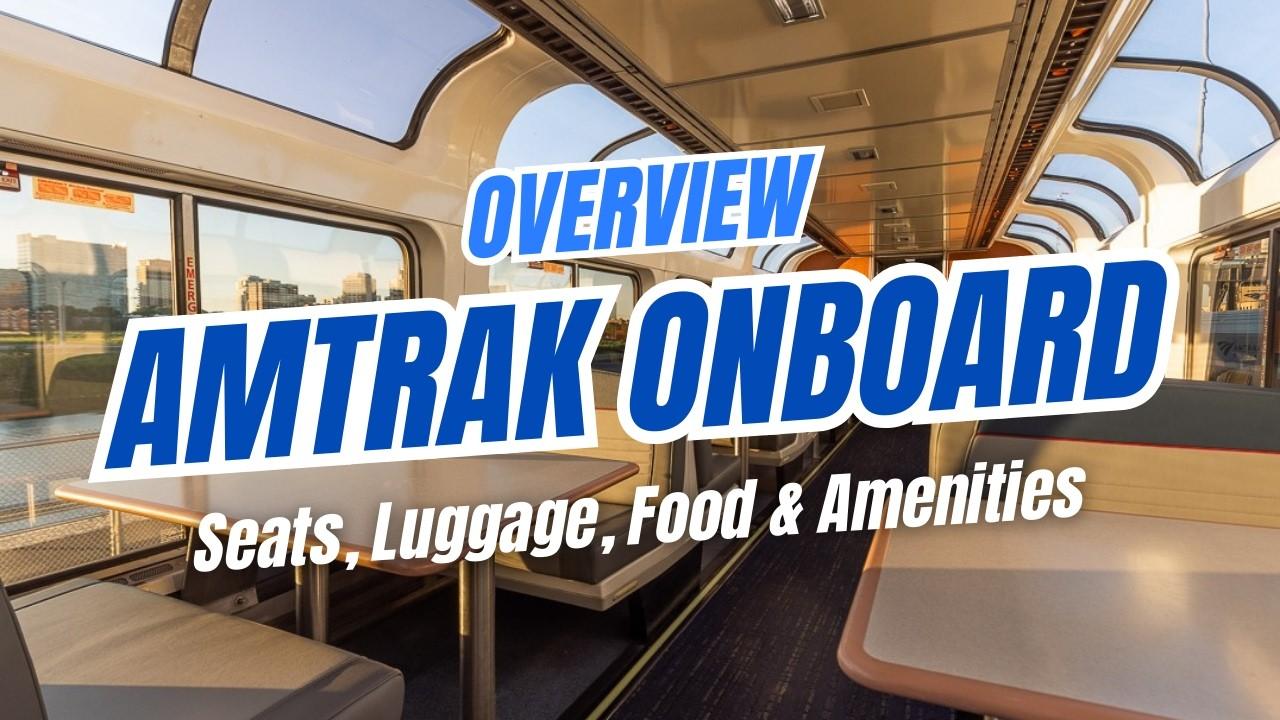
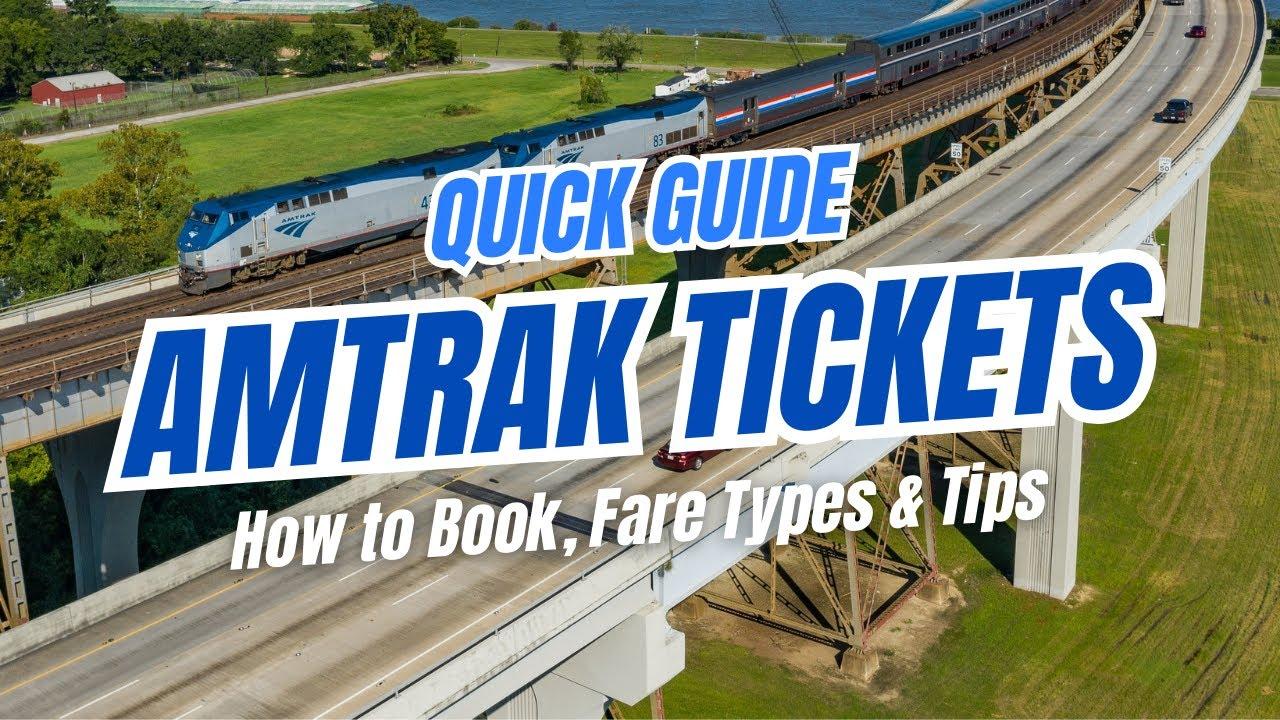
Traveling by train offers unique views and a different pace of travel. Amtrak is the primary provider, allowing passengers to enjoy amenities while cutting through scenic areas.
Car
- Transport Mode: Personal vehicle or rental car
- Duration: Approximately 23 hours (non-stop driving)
- Distance: 1,200 miles (1,931 kilometers)
- Costs: 200 EUR (fuel estimate), plus potential rental fees if applicable
- Roads/Routes: I-90, I-80
Pro Tip: Plan your stops ahead of time at rest areas or interesting landmarks to break up the journey.
Driving allows for the most flexibility and the ability to explore the areas along the way. Using I-90 and I-80 will be the primary route, providing efficient access across states.