Train from Las Vegas to Mariposa
Find the schedules, compare prices, and buy cheap tickets from Las Vegas to Mariposa. Choose a date, or explore the cheapest ticket options below.
Air (Las Vegas → San Francisco, then drive to Mariposa)
- Companies: Southwest Airlines, Alaska Airlines, American Airlines, United Airlines (to San Francisco via their hubs; some flights may be seasonal), with car rental from SFO by Enterprise, Hertz, Avis, Budget, Sixt
- Route: Las Vegas (LAS) → San Francisco (SFO) → SFO airport → Car drive to Mariposa
- Duration: Flight 1h 20m–2h 10m + layover/time buffer 0–4h (typical) + car drive ~3h 25m–4h 15m (plus pickup/parking), total commonly ~5h 30m–7h 30m
- Distance: ~570–600 miles flight distance (LAS–SFO) + ~170–190 miles driving (SFO area to Mariposa via CA-120/CA-140)
- Costs: Flights: ~$120–$450 one-way (price swings with dates, baggage, and how far in advance you book). Rental car: ~$50–$120/day (plus taxes/fees and insurance; higher in summer). Typical total (flight + 1-day rental budget): ~$220–$650, excluding hotel/extra days.
- Frequency: Usually multiple flights daily between LAS and SFO; exact count varies by airline schedule.
- Convenience: Medium—often efficient if you catch a morning direct (or short connection) but you must add rental logistics and road time into/around Yosemite gateways.
- Roads/Routes: For the drive: typically SFO → US-101/CA-37/CA-132 → I-580/CA-120 corridor toward Modesto/Oakdale → then CA-120 (often to Yosemite area) or CA-140, depending on conditions and where you enter Yosemite.
Pros: Fast “long distance” leg; strong airline frequency; good option if you want to avoid long highway driving from Las Vegas.
Cons: You still face a multi-hour drive from SFO to Mariposa; rental availability and pricing can spike in peak tourist months; airport/rental logistics can erase time savings.
Train (Las Vegas → Sacramento → Mariposa-area car transfer)
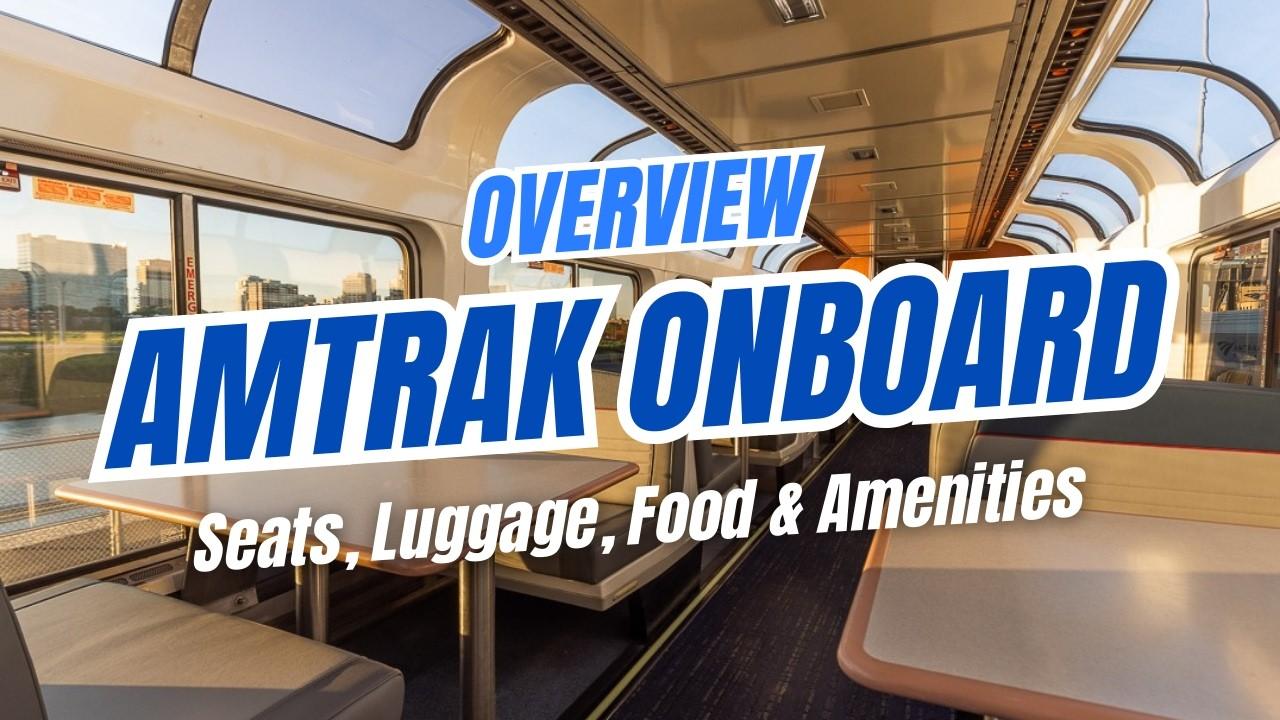
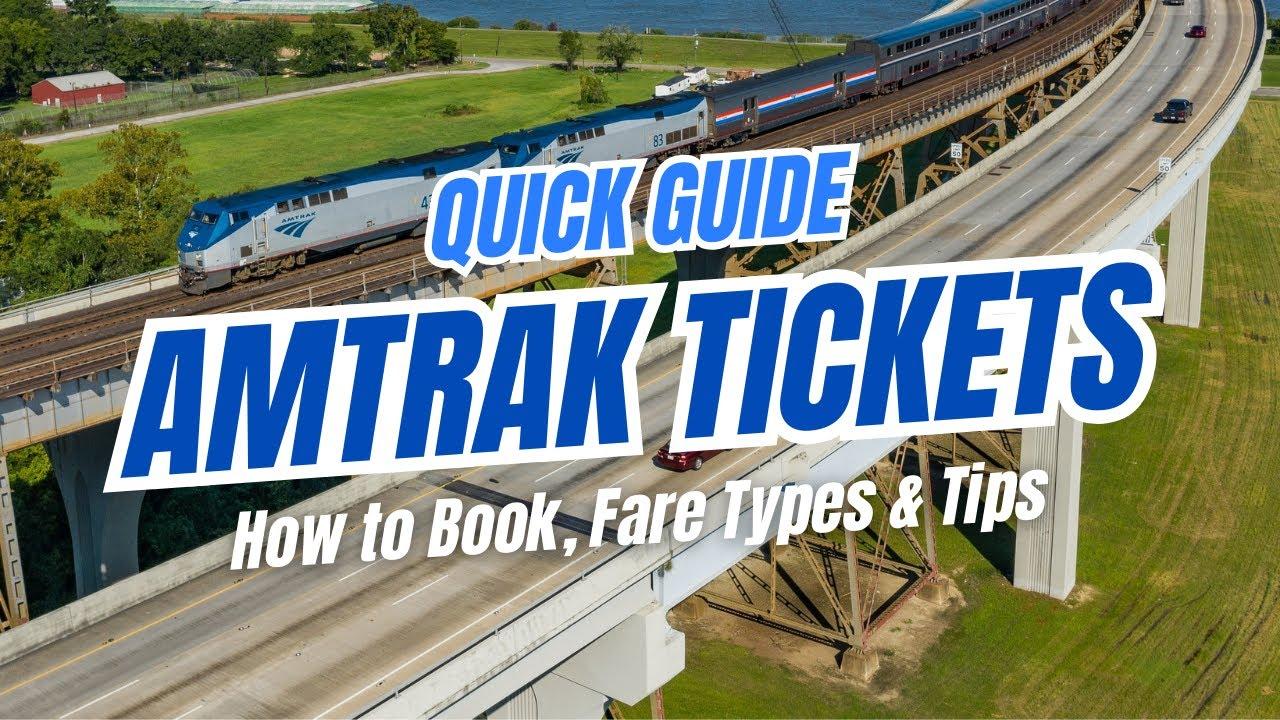
- Companies: Amtrak (San Francisco Bay Area connections via long-distance rail corridors)
- Route: Las Vegas, NV → (no direct passenger train to Mariposa; typical rail plan is) Las Vegas → Los Angeles/Sacramento corridor (Amtrak connections) → Sacramento area → rent car or bus/taxi transfer toward Mariposa
- Duration: Generally ~10h–16h total including transfers + ~2h–2h 30m drive from Sacramento to Mariposa (plus buffer for station-to-car time); many itineraries land outside one-day “easy” timing.
- Distance: Roughly ~550–700 miles by rail depending on corridor, plus ~95–115 miles by road (Sacramento → Mariposa).
- Costs: Typically ~$80–$350 one-way for rail segments (varies heavily by booking window, train/class, and route). Car rental for the final leg: ~$50–$120/day. Expect ~$130–$470+ total excluding meals/lodging. (Train schedules and exact routings change; availability is the main constraint.)
- Frequency: Limited—Amtrak routes in the West are not “every hour.” Expect a small number of departures weekly to daily depending on the specific corridor and day of travel.
- Convenience: Low to Medium—usually connection-heavy, and you must handle the last-mile gap to Mariposa with a car.
- Roads/Routes: Final approach from Sacramento is commonly via I-5/CA-120 corridor (often CA-120 toward Oakdale/Modesto area and then onward toward Mariposa/Yosemite).
Pros: Comfortable and scenic for parts of the corridor; avoids some highway fatigue.
Cons: No truly direct rail to Mariposa; schedule constraints and transfers often make the total day long; you still need a car for Mariposa/Yosemite access.
Bus / Shuttle (Las Vegas → Yosemite / Mariposa via tour operators)
- Companies: Yosemite Area shuttles are limited, so most realistic options are private/charter-style or tour bus operators (availability varies). For closest “realistic bus” coverage, look at regional operators serving Yosemite/Mariposa destinations such as Yosemite Shuttle (local operator; seasonality applies) and Gray Line style day-trip services where offered, plus intercity options via FlixBus (where routes connect onward) or Amtrak Thruway equivalents (limited to specific corridors; verify per date). If you need guaranteed operator names for exact departure dates, you should check the operators’ current route maps for your travel day.
- Route: Las Vegas → (intercity transfer) → Yosemite-area drop (often near Yosemite Valley/El Portal/Oakhurst) → Mariposa last-mile by shuttle/taxi/rideshare
- Duration: Commonly ~7h–11h depending on the transfer structure and whether it’s a direct-ish tour bus. If it reaches Mariposa directly, it can be ~8h–10h; if it drops closer to Yosemite, add ~30–70 minutes to Mariposa depending on traffic and road conditions.
- Distance: Road distance is ~430–520 miles depending on routing and where the bus drops you.
- Costs: Tour-bus/day-service style pricing often runs ~$80–$250 one-way (or higher for package-like services). If using intercity bus connections (e.g., FlixBus to a CA hub) plus another shuttle/taxi leg, budget ~$70–$220 total, but availability and pricing are date-specific.
- Frequency: Typically limited—many Yosemite-focused services operate seasonally (spring through fall), with fewer departures in winter.
- Convenience: Medium—good if you want “door-to-gateway” with less driving, but less flexible and can be subject to seasonal road access and fixed pickup times.
- Roads/Routes: Typical corridor is I-15 north to the CA border area, then routing onto CA highways toward the Central Valley and Yosemite gateway (commonly via CA-120/CA-140 corridors depending on drop-off location and conditions).
Pros: Reduces driving stress; may include coordinated timing for Yosemite access and parking.
Cons: Limited schedules; last-mile from drop-off to Mariposa may still require rideshare/taxi; winter conditions can reduce or reroute services.
Car/Drive (Las Vegas → Mariposa)
- Companies: Car rental/ride companies: Enterprise, Hertz, Avis, Budget, Sixt; or personal vehicle
- Route: Las Vegas → I-15 north → (choose Central Valley approach) → CA-99 / CA-120 corridor toward Modesto/Oakdale → CA-140 or CA-120 into Mariposa area (exact final approach depends on your destination location and Yosemite gateway)
- Duration: Typically ~7h–9h driving time (realistically 7h 30m–8h 45m with breaks). Add 1–2 hours in peak traffic seasons around Bakersfield/Fresno/Mariposa entry points.
- Distance: Approx. ~420–470 miles (varies by exact route and Mariposa address).
- Costs: If renting: ~$55–$130/day for a standard car (before taxes/fees and insurance; higher for SUVs/4WD). Fuel: roughly ~$45–$90 round-trip fuel-only budget for a one-way (depends on fuel economy and current gas prices). Total one-way (rental + fuel): ~$110–$300; with an overnight rental or weekend pricing, totals can be higher.
- Frequency: Any time—self-directed departure; you control stops and timing.
- Convenience: High—most flexibility for Mariposa stays and Yosemite access (since you can choose CA-140 vs CA-120 based on conditions).
- Roads/Routes: Primarily I-15 → CA-58/CA-99 corridor choices → CA-120 (often via Oakdale/Modesto direction) or CA-140 (classic route toward Yosemite’s southern access, when open/appropriate). Expect slowdowns near Merced/Fresno and around Yosemite gateway roads in busy months.
Pros: Best flexibility for arrival time; easiest last-mile access to Mariposa and nearby parks/trails; you can avoid fixed bus/tour schedules.
Cons: Long drive; can face traffic and seasonal road closures/restrictions near Yosemite gateways; parking and timed-entry considerations may apply for Yosemite days.
Recommendation
Best overall option: Car/Drive.
For Las Vegas → Mariposa, driving is the most practical and consistently available choice. It typically lands around 7h–9h door-to-door, lets you choose the optimal Yosemite access corridor (CA-120 vs CA-140) based on current conditions, and avoids the “you must still rent a car” problem that often comes with flying or rail for the final stretch into Mariposa.
If you have very tight time or you strongly prefer minimizing highway hours, then the Air → SFO → rental car plan can be competitive—but only when your flight timing is convenient and you’re comfortable with airport/rental logistics.
Pro Tip: On the day you drive toward Mariposa/Yosemite, aim to enter the Yosemite gateway roads before midday (especially in summer and weekends). The non-obvious reason: even when the routes are technically “open,” the slowdowns are often caused by turnout/parking demand near the CA-120/CA-140 approaches, which can add 45–90 minutes of delay even without major accidents. Leaving Las Vegas early (or delaying your Yosemite stops until later afternoon) can make the difference between a smooth arrival and a frustrating crawl.